
When a team starts feeling stretched thin, corporations often default to quick fixes: a pizza lunch, some company-branded swag, or a random-themed “appreciation day.” This is no different for many Community Association Management companies. While these gestures are well-intended, they don’t solve the pressures community managers actually face.
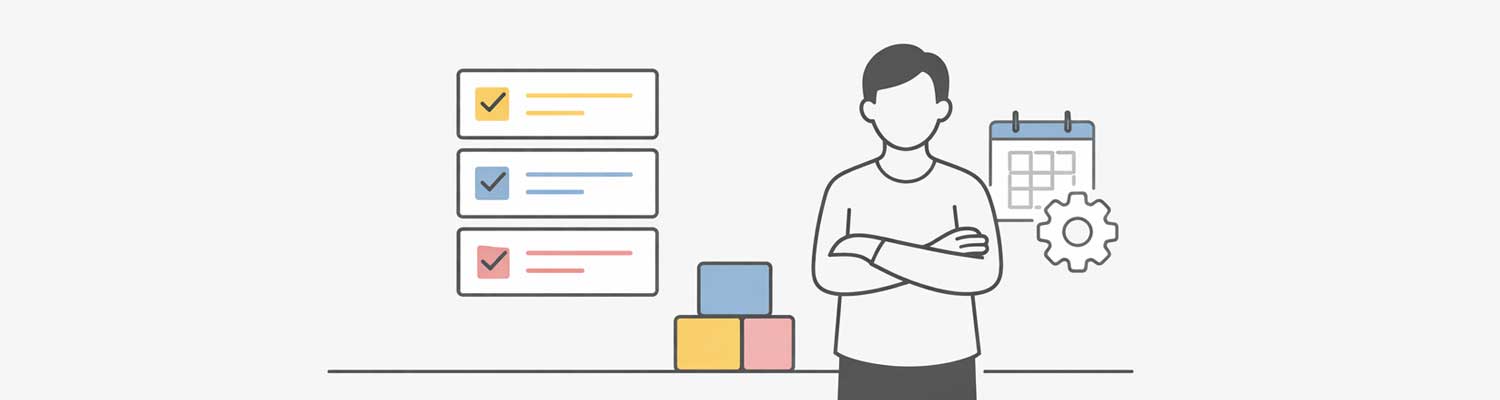
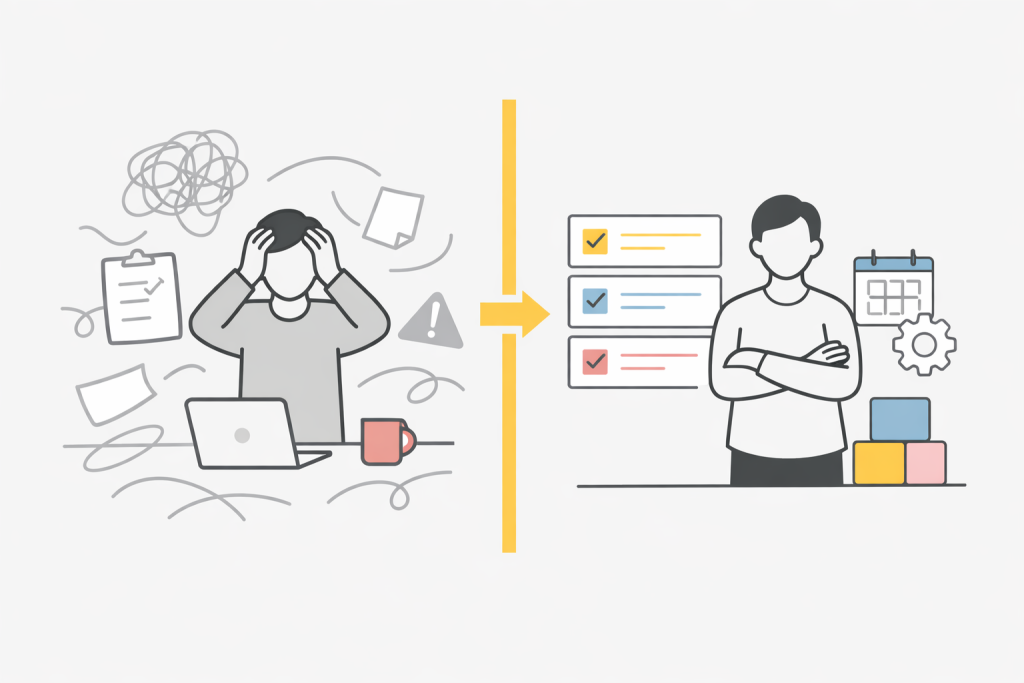
Real support isn’t a perk. It’s a system.
And in a role defined by constant communication, complex demands from multiple boards, and a high volume of operational tasks, surface-level morale boosters don’t reduce burnout. What does move the needle is structure: clear expectations, reliable tools, accessible leadership, and workloads that are actually manageable.
When support becomes operational instead of ornamental, performance goes up, turnover goes down, and your entire organization becomes more resilient.
So, what should you do for your community managers?
Here are the key areas where meaningful support makes the biggest impact.
Clear Expectations Eliminate Guesswork
For many CAM teams, stress comes less from the nature of the work and more from the ambiguity of the work. When responsibilities shift based on the loudest board member or the most urgent email, even seasoned community managers feel like they’re constantly guessing.
That’s why clarity is one of the strongest forms of support you can give your team.
Clear expectations remove uncertainty and build confidence. That includes:
- Defining responsibilities by role – what falls to the Community Managers, Compliance, Accounting, Admin Support, etc.
- Reducing scope creep by communicating those expectations to board members so community managers aren’t expected to always be “on.”
- Providing tools like job scorecards, SLA-style response guidelines, and board orientation packets.
When CAM teams understand the boundaries of their role (and boards do too), the daily stress load decreases and confidence increases. When community managers can effectively do their job, they set the foundation for better client relationships. Clarity isn’t just operational; it’s fundamental support.
Communication Systems Prevent Chaos
Community managers operate more like command-center coordinators—fielding emails, portal messages, phone calls, architectural requests, and work orders all at the same time, each one demanding immediate attention.
Without structured communication systems, even the most organized individuals will eventually drown.
Creating communication consistency helps your team reclaim control of their day. That can include:
- Centralized request systems that pull conversations out of overflowing inboxes.
- Shared team inboxes with documented rules for routing and escalation.
- Templates for common board and homeowner responses.
- Clear internal channels for urgent vs. routine issues.
These systems don’t just streamline operations. They reduce the mental load of juggling dozens of conversations at once, decreasing errors and increasing consistency. And when communication stops feeling chaotic, burnout becomes far less likely. Fewer fires equals less emotional fatigue equals longer-tenured community managers.
Structured Training Promotes Learning
Many CAM companies unintentionally rely on tribal knowledge — one person trains another, who trains another, and processes evolve based on who remembers what. It’s inconsistent, inefficient, and deeply frustrating for new hires.
Structured, repeatable training sends a different message: We want you to succeed, and here’s how we’ll help you get there.
Effective CAM training often includes:
- A 30-60-90-day onboarding path with clear milestones.
- SOP libraries, checklists, and quick-reference guides.
- Screen-recorded walkthroughs of key systems and processes.
- Micro-learning modules for topics like budgets, governing documents, vendor oversight, or annual meetings.
- Mentorship or buddy systems to create built-in support.
When training is standardized, new community managers ramp up faster, work more confidently, and make fewer avoidable mistakes. Over time, your entire team becomes more consistent, and more capable.
Accessible Leadership Shapes Support
Most leaders truly believe they’re available to their teams. But for CAMs, “just reach out if you need anything” often feels like an empty phrase when they’re balancing back-to-back meetings and tight timelines.
Support becomes real when leadership accessibility is built into the weekly rhythm.
That includes:
- Regularly scheduled one-on-one check-ins focused on problem-solving, not performance policing.
- Clear visibility into company priorities, decisions, and expectations.
- Coaching-style leadership that guides rather than dictates.
- A culture where asking questions is encouraged, not penalized.
For CAM teams, leadership presence creates psychological safety. And when community managers feel supported by someone who can help them navigate tough board dynamics or operational challenges, they stay longer and produce better work.
Realistic Workloads Preserve Employees
You can have great training, clear expectations, and excellent communication systems, and still lose good community managers if their workload isn’t sustainable.
Portfolio size is one of the strongest predictors of CAM turnover.
Meaningful support includes:
- Benchmarking realistic community counts based on size, meeting load, and complexity.
- Protecting CAM capacity by monitoring ticket volumes, meeting schedules, and seasonal spikes.
- Reducing admin-heavy tasks through automation or dedicated support roles.
- Adjusting workloads before a manager reaches the point of burnout.
Workload protection isn’t about making the job easy, it’s about making it sustainable. And sustainable workloads drive better retention, better client experiences, and better company reputation.
Support as a Retention Strategy, Not a Perk
Free lunches and team-building days aren’t bad. They just shouldn’t be seen as a solution.
Real support lives in your systems. It shows up in the way your teams communicate, train, organize their workload, and access leadership guidance. These are the structures that allow community managers to do their jobs without constant overwhelm.
And in an industry where turnover is expensive (both financially and operationally) meaningful support becomes a competitive advantage.
Companies that invest in operational support consistently retain better talent, provide better service, and build stronger relationships with their boards.
Start Small and Build Systems That Last
You don’t have to overhaul everything at once. Start with one area, maybe creating a simple service level agreement for response times or standardizing your CAM onboarding.
Support isn’t loud. It’s consistent, structured, and operational.
And when you build systems that truly help your team, you create a workplace where community managers feel confident, capable, and valued.
No pizza party required.